Route safety
Battery fire prevention starts before the cart reaches the truck
Haulers cannot fix lithium battery disposal alone, but they can make the risk visible, train drivers on escalation, and document incidents well enough to change customer behavior.
Compliance note
Use this as an operating guide, not legal advice
Battery, fire, hazardous-material, emergency-response, facility-acceptance, and customer-notice rules vary by jurisdiction, contract, fleet, and waste stream. Confirm requirements with qualified counsel, your insurer, regulators, emergency-response partners, and disposal or processing facilities before changing policy.
The quick answer
Lithium-ion batteries should not go in household trash or recycling carts. The practical hauler playbook is education before collection, driver recognition during collection, dispatch escalation when smoke or heat appears, and a clear incident record afterward.
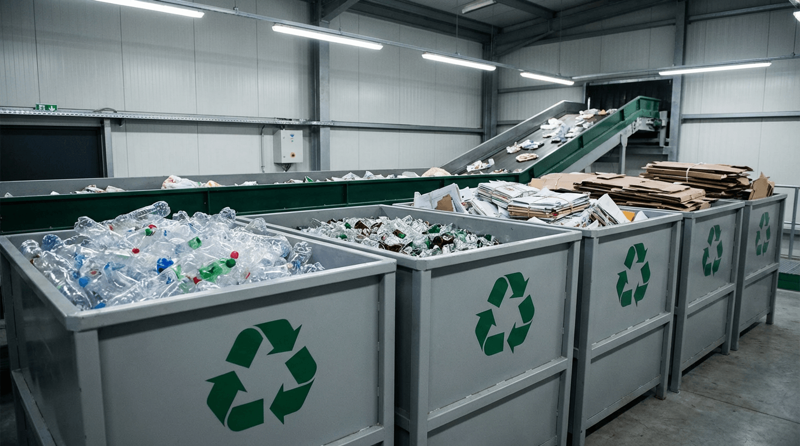
EPA lithium-ion battery guidance and NFPA lithium-ion battery safety guidance both warn against placing lithium-ion batteries in household garbage or recycling bins. For haulers, the operating question is how to turn that warning into route behavior.
Where battery risk enters the hauling workflow
| Workflow point | Failure mode | Hauler control |
|---|---|---|
| Customer setout | Loose batteries, power tools, e-bike packs, vapes, toys, and electronics enter carts | Send simple disposal instructions before bulk, cleanup, and recycling-heavy periods |
| Cart tip or compaction | Battery gets crushed, punctured, or overheated | Train drivers to watch for smoke, popping, unusual heat, or odor |
| Route continuation | Driver keeps collecting after a warning sign because the route is behind | Define stop-work and dispatch escalation rules before the route starts |
| Transfer, MRF, or landfill handoff | Facility receives a hot or contaminated load with weak context | Notify the facility and preserve route, customer, and load details |
| After incident | Team treats the fire as an isolated event and loses the learning | Record location, suspected material, customer communication, response, and cost |
Train drivers without turning them into firefighters
The driver rule should be simple: recognize, stop, isolate when safe under company policy, call dispatch, and follow emergency procedures. Do not bury the team in chemistry. They need to know what signs matter and who makes the next call.
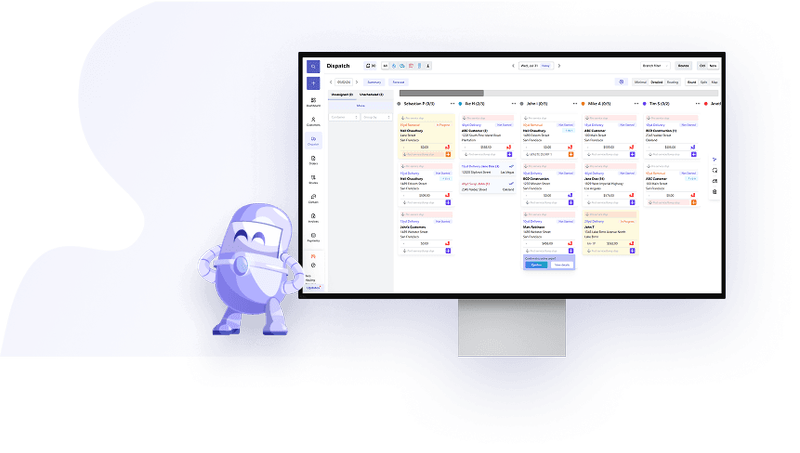
The dispatch rule matters just as much. If a driver reports smoke or heat, dispatch should not be improvising from a radio message. The route board should have an incident workflow with location, truck, driver, load notes, facility contact, and customer follow-up.
Customer messaging that actually changes behavior
- Name the products customers recognize: phones, laptops, power tools, vapes, toys, e-bikes, scooters, and loose rechargeable batteries.
- Say where batteries should go instead of only saying where they should not go.
- Repeat the message before move-out season, holidays, storm cleanup, and bulky-item collection.
- Train customer service to answer battery questions without transferring the caller twice.
- Track repeat addresses or accounts where battery contamination appears.
The copy should sound like a safety instruction, not a sustainability slogan. "Do not place rechargeable batteries in trash or recycling carts. Use the local battery drop-off site" is stronger than a generic recycling reminder.
What to document after an incident
Capture truck, route, driver, time, location, suspected material, load status, photos when safe, facility communication, emergency response, downtime, and customer follow-up. That record helps with insurance, safety review, customer education, and future route training.
This is where waste management driver app and waste dispatch software should support the safety program instead of leaving incident facts in texts, radios, and memory.
Frequently asked questions
Can lithium batteries go in trash or recycling carts?
No. Lithium-ion batteries and devices containing them should be taken to separate recycling or household hazardous waste collection points, not placed in household garbage or recycling bins.
Why are lithium batteries dangerous for waste haulers?
They can be crushed, punctured, or overheated during collection and processing, which can create fire risk in carts, trucks, transfer stations, MRFs, and disposal facilities.
What should a hauler do after a suspected battery fire?
Follow emergency procedures, protect the driver and public, notify dispatch and the receiving facility, document the route and suspected material, and use the incident to improve customer education and driver training.
What to do next
Use EPA lithium-ion battery guidance for public-facing instructions, then build the operating workflow in waste management driver app and waste dispatch software. For billing and customer disputes tied to contamination or unsafe material, connect the record to proof of service and contamination fee.