Extra Pull
Learn what an extra pull means in commercial and roll-off hauling, why it affects route margin, and how operators should document and bill it.
Plain-language definition
An extra pull is an additional pickup outside the customer's normal service schedule, usually requested because a container is full, overloaded, contaminated, or needed sooner than planned.
Key operating signals
- The work is outside the normal route or contract frequency.
- Dispatch can identify whether it is urgent, same-day, next-day, or scheduleable.
- Billing knows whether the contract includes the pull or treats it as an additional charge.
Why it matters operationally
Extra pulls can be profitable when priced correctly and destructive when handled as free favors. They also reveal whether the customer is on the wrong container size, wrong pickup frequency, or wrong contract terms.
How software changes the workflow
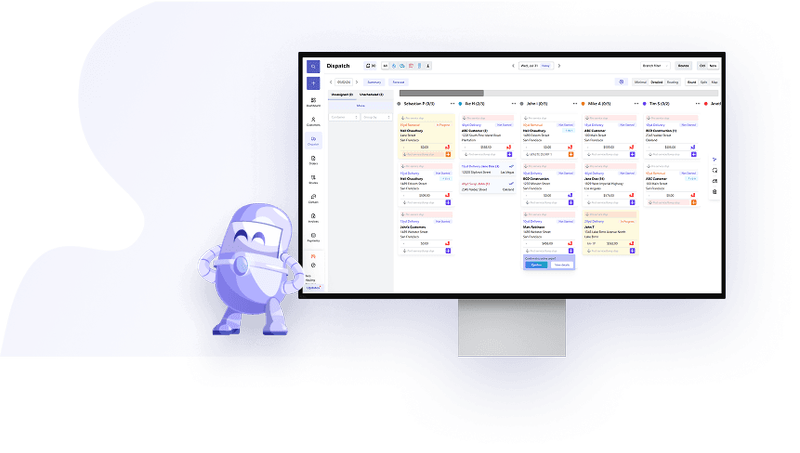
Software helps by separating planned recurring service from unscheduled demand. When extra pulls are tagged correctly, managers can review whether they are improving revenue, damaging route quality, or signaling a contract that needs to be reset.
Related resources
Model the route impact with the route profitability calculator, review pricing with the disposal fee passthrough guide, and use waste hauler software workflows to keep dispatch and billing aligned.
How this affects haulers
Industry definitions are useful when they connect back to operations: service planning, route density, disposal decisions, customer communication, compliance records, and margin visibility.
How TrashLab handles this workflow
TrashLab turns those operating details into structured records across dispatch, routing, billing, reporting, and customer communication so haulers can act on the term instead of just define it.
Related resources
Related guides, tools, and software
Use the glossary definition as a starting point, then jump into the workflow, benchmark, or calculator that makes the term practical.