Container Service Level
Learn what container service level means in waste hauling, why it matters for container operations, and how software buyers should evaluate it before rollout.
Plain-language definition
Container service level describes the agreed size, frequency, material stream, access rules, and service expectations for a container at a customer location.
Why buyers ask about it
Service level is where operations and billing meet. Wrong service level leads to overflow, extra pulls, contamination, missed revenue, or unhappy customers.
How software changes the workflow
Software should keep service level visible to sales, dispatch, drivers, billing, and the customer portal so changes are controlled.
Related resources
See container tracking software, container size, and waste billing software.
How this affects haulers
Container and hauling terms affect quote accuracy, dispatch capacity, disposal planning, dwell time, driver instructions, and whether extra days or services get billed.
How TrashLab handles this workflow
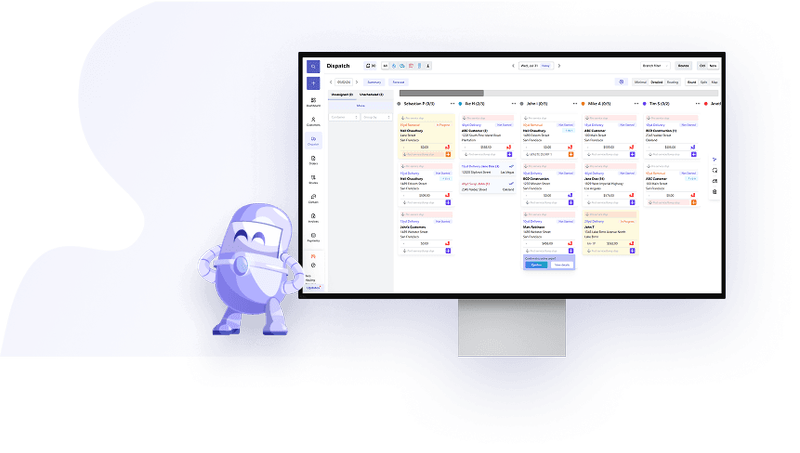
TrashLab ties orders, containers, dispatch moves, driver updates, disposal notes, and invoice review together so haulers can see what happened without rebuilding the day from texts.
Related resources
Related guides, tools, and software
Use the glossary definition as a starting point, then jump into the workflow, benchmark, or calculator that makes the term practical.