Myth 1: "if it has a recycling symbol, it can be recycled"
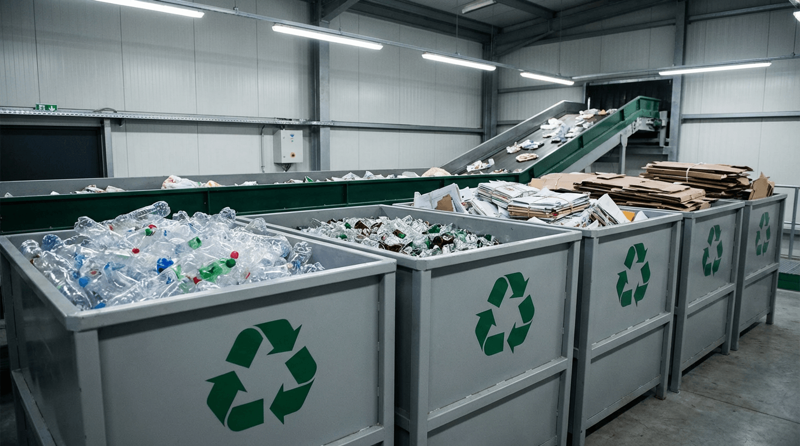
The chasing-arrows symbol on plastic does not mean the item is recyclable in your program. The number inside (1–7) indicates resin type, not recyclability. Many plastics—especially 3, 4, 5, 6, and 7—have limited or no markets. Check your local program's accepted materials list. When in doubt, throw it out to avoid contaminating the recycling stream.
Myth 2: "pizza boxes can't be recycled"
It depends. Grease and cheese can contaminate paper recycling, but many facilities accept lightly soiled pizza boxes. Heavily greased boxes should go in trash or compost. Rules vary by municipality—check locally. When accepted, pizza boxes are recycled into new cardboard and paper products.
Myth 3: "plastic bags go in the recycling bin"
No. Plastic bags jam sorting equipment at materials recovery facilities (MRFs). They wrap around conveyor belts and shut down operations. Some grocery stores accept plastic bags for recycling—take them there. Never put bags in curbside bins.
Myth 4: "all glass is recycled the same way"
Glass is separated by color—clear, green, brown—because each has different end uses. Mixed glass has lower value. Some programs accept only bottles and jars, not window glass or ceramics. Contamination from lids and labels can reduce quality. Follow local guidelines.
Myth 5: "black plastic can't be recycled"
Optical sorters at MRFs use light reflection to identify plastics. Black plastic absorbs light and is often missed, so it ends up in the trash stream. Some facilities are upgrading sorters to handle black plastic, but many still reject it. When possible, avoid black plastic packaging.
Myth 6: "recycling uses more energy than it saves"
For most materials, recycling saves energy. Aluminum recycling uses 95% less energy than virgin production. Paper recycling saves trees and reduces water use. Plastic is more nuanced—recycling some plastics saves energy, but markets are limited. Life-cycle analyses generally support recycling for aluminum, steel, paper, and cardboard.
Myth 7: "wish-cycling helps"
Wish-cycling—tossing questionable items in the bin hoping they'll be recycled—often backfires. Contamination can cause entire loads to be landfilled. When non-recyclables mix with recyclables, sorters may reject the whole batch. Only recycle what your program accepts.
Myth 8: "recycled content means it was recycled here"
"Made from recycled content" means the manufacturer used recycled material—often from overseas. U.S. recyclables are sometimes exported; domestic demand has grown for some materials. Recycled content labels don't guarantee your local program's material was used.
Myth 9: "everything in the bin gets recycled"
Contamination rates at MRFs can reach 20–25%. Non-recyclables, food residue, and wrong materials are removed and landfilled. Clean, sorted materials have the best chance of becoming new products. Rinse containers, remove lids if required, and flatten boxes.
Myth 10: "recycling doesn't matter"
Recycling diverts millions of tons from landfills, conserves resources, and creates jobs. Paper and metal recycling are especially effective. Plastic recycling faces challenges but is improving. The solution is better design, cleaner streams, and stronger markets—not abandonment.
What haulers can do
Haulers play a key role in recycling success. Clear communication about what's accepted reduces contamination. Recycling services invoice templates help bill commercial clients. Route optimization reduces fuel use. Use our ROI calculator to estimate operational savings.
Frequently asked questions
Can i recycle pizza boxes?
Lightly soiled pizza boxes are often accepted. Heavily greased boxes should go in trash or compost. Check your local program.
Why can't i put plastic bags in recycling?
Plastic bags jam sorting equipment at recycling facilities. Take them to grocery store drop-off programs instead.
Does recycling actually work?
Yes. Aluminum, steel, paper, and cardboard have strong recycling rates and markets. Plastic recycling is more limited but improving.
What is wish-cycling?
Wish-cycling is putting questionable items in the recycling bin hoping they'll be recycled. It often causes contamination and hurts the whole stream.
Next steps
Explore our free tools and industry statistics. Get in touch with TrashLab for waste hauler software that supports recycling operations.