Contract pricing
Recurring work should not mean fixed mistakes
A commercial contract is valuable when it creates durable route density and predictable margin. It becomes dangerous when old pricing terms stay frozen while operating costs move.
Start with the route, not the customer logo
Commercial waste contracts often look attractive because the revenue is recurring. But recurring revenue only helps if the work fits the route, service frequency, and billing model you can support profitably.
Before you finalize a price, review drive time, stop clustering, expected contamination, access complexity, container type, and whether the work improves density on an existing route.
What belongs in the contract price
| Contract component | Why it matters | What to define clearly |
|---|---|---|
| Base monthly service | Covers recurring pickup and container support | Define frequency, container type, and standard service window |
| Contamination or overage | Protects margin when waste profile drifts | State triggers, proof standards, and fee logic |
| Fuel or disposal review | Prevents long-term contracts from freezing bad assumptions | Document review timing and adjustment method |
| Extra pulls or emergency work | Same-day or unscheduled work can erode route quality fast | Define service levels and premium charges |
How good operators protect margin over time
The strongest commercial contracts include a review cadence. That can be annual price reviews, fuel-linked adjustments, disposal passthrough language, or contamination reset clauses. The point is not to surprise the customer. The point is to prevent a profitable contract from decaying quietly over two years.
If you want a route-level view of whether recurring work is helping or hurting, review the route profitability calculator alongside your contract book.
Frequently asked questions
How should I price a commercial waste contract?
Price from the route economics up: service frequency, access complexity, container type, contamination risk, and contract protections all need to be reflected in the rate.
Should commercial contracts include fuel or disposal escalators?
Many operators benefit from including some review or adjustment mechanism so recurring work does not lock in old cost assumptions indefinitely.
What is the biggest contract-pricing mistake?
The most common mistake is pricing the logo or the volume instead of the real service burden and route fit.
What to do next
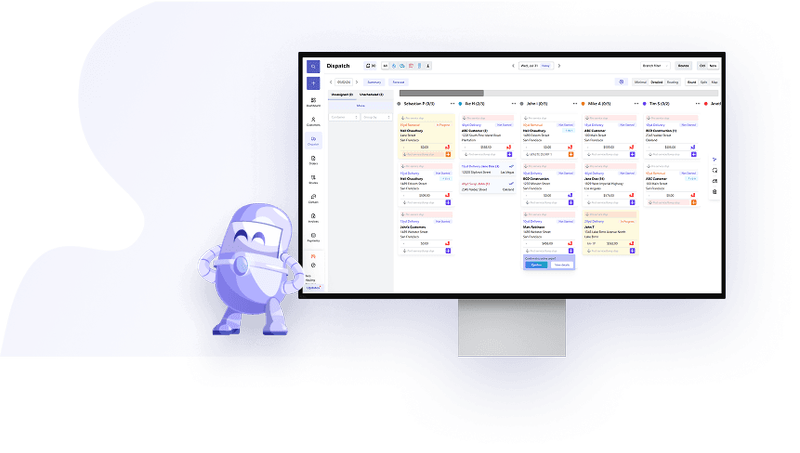
Use the route profitability calculator on your current contract book, then standardize proposals with the commercial waste estimate template and the waste hauler software workflow stack.