Recycling
Learn about recycling processes and waste tracking. TrashLab’s software optimizes material recovery and ensures environmental compliance.
Recycling is the process of collecting, processing, and converting waste materials into new products to reduce the need for raw resources, lower energy consumption, and minimize environmental impact. Commonly recycled materials include paper, glass, metal, and certain plastics, which are sorted, cleaned, and processed before being reintroduced into the manufacturing cycle.
Recycling reduces landfill waste, conserves natural resources, and decreases greenhouse gas emissions by reducing the demand for new materials. Effective recycling programs involve sorting materials at the source, educating the public on recyclable items, and ensuring that recycling facilities have the capacity to process collected materials. Recycling plays a crucial role in promoting sustainability and supporting a circular economy by keeping materials in use for as long as possible.
How this affects haulers
Industry definitions are useful when they connect back to operations: service planning, route density, disposal decisions, customer communication, compliance records, and margin visibility.
How TrashLab handles this workflow
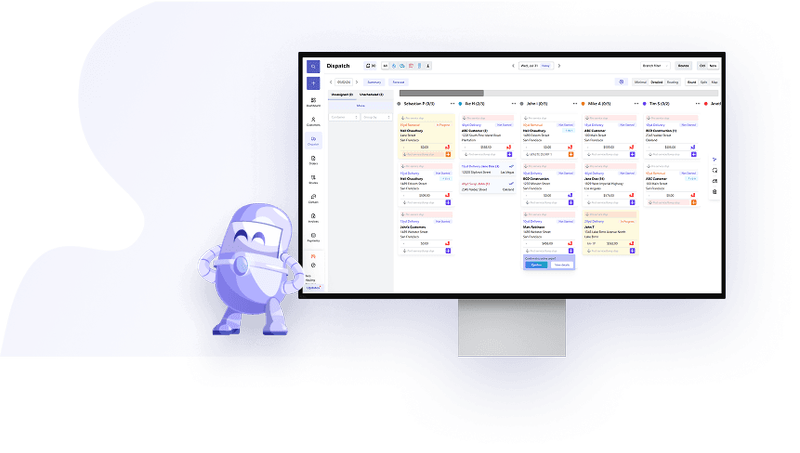
TrashLab turns those operating details into structured records across dispatch, routing, billing, reporting, and customer communication so haulers can act on the term instead of just define it.
Related resources
Related guides, tools, and software
Use the glossary definition as a starting point, then jump into the workflow, benchmark, or calculator that makes the term practical.